
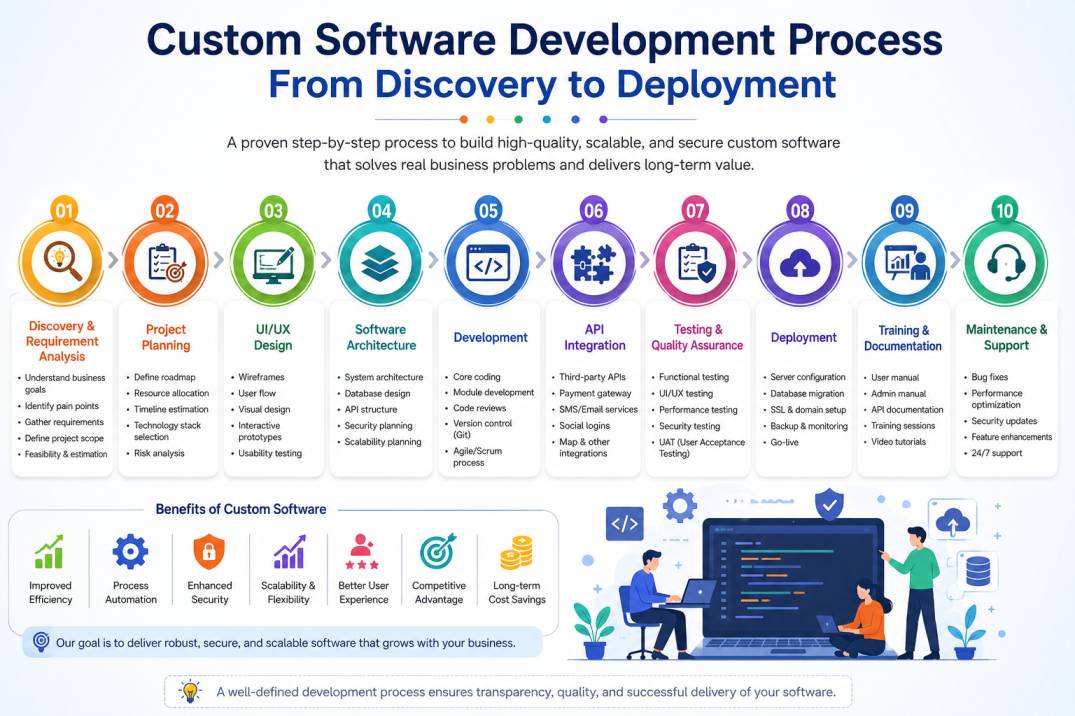
In today's competitive digital landscape, businesses require software that perfectly matches their operations, customer expectations, and long-term goals. While off-the-shelf software can solve generic problems, it often lacks the flexibility and scalability growing businesses need.
This is where custom software development comes in.
Custom software is specifically designed to meet your unique business requirements, helping you improve efficiency, automate workflows, reduce operational costs, and create better customer experiences.
In this comprehensive guide, we'll walk through the complete Custom Software Development Process—from the initial discovery phase to successful deployment and ongoing maintenance.
What is Custom Software Development?
Custom software development is the process of designing, building, deploying, and maintaining software tailored specifically for a business or organization.
Unlike ready-made software, custom solutions are built around your:
- Business processes
- Industry requirements
- Customer needs
- Security standards
- Future scalability
Examples include:
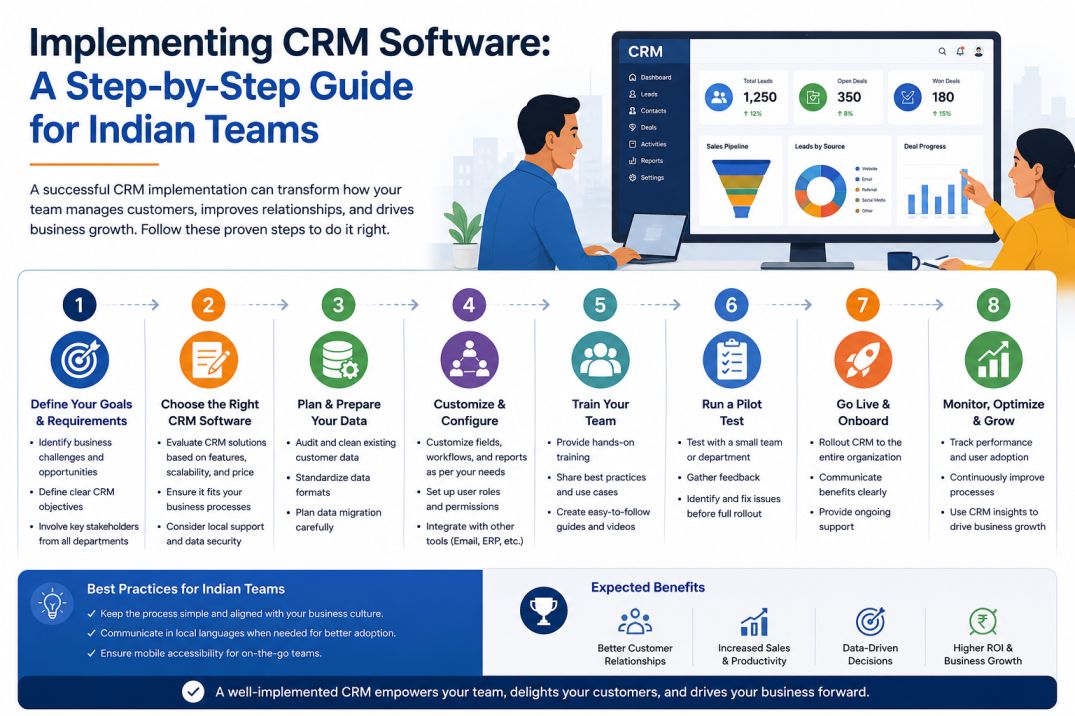
- CRM Systems
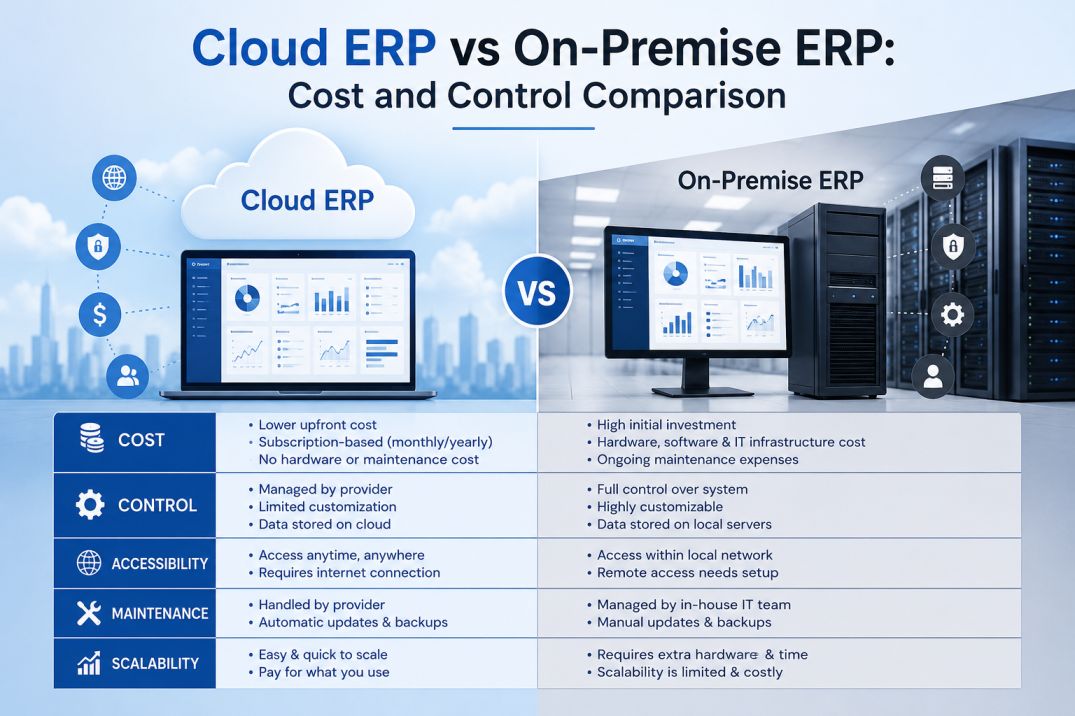
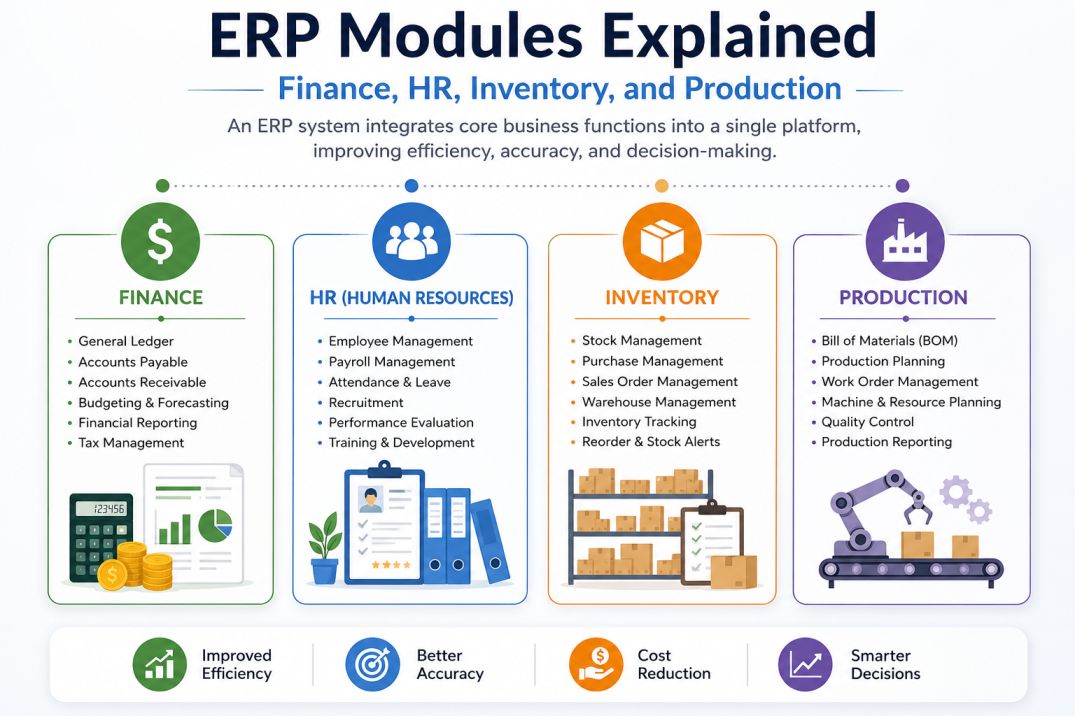
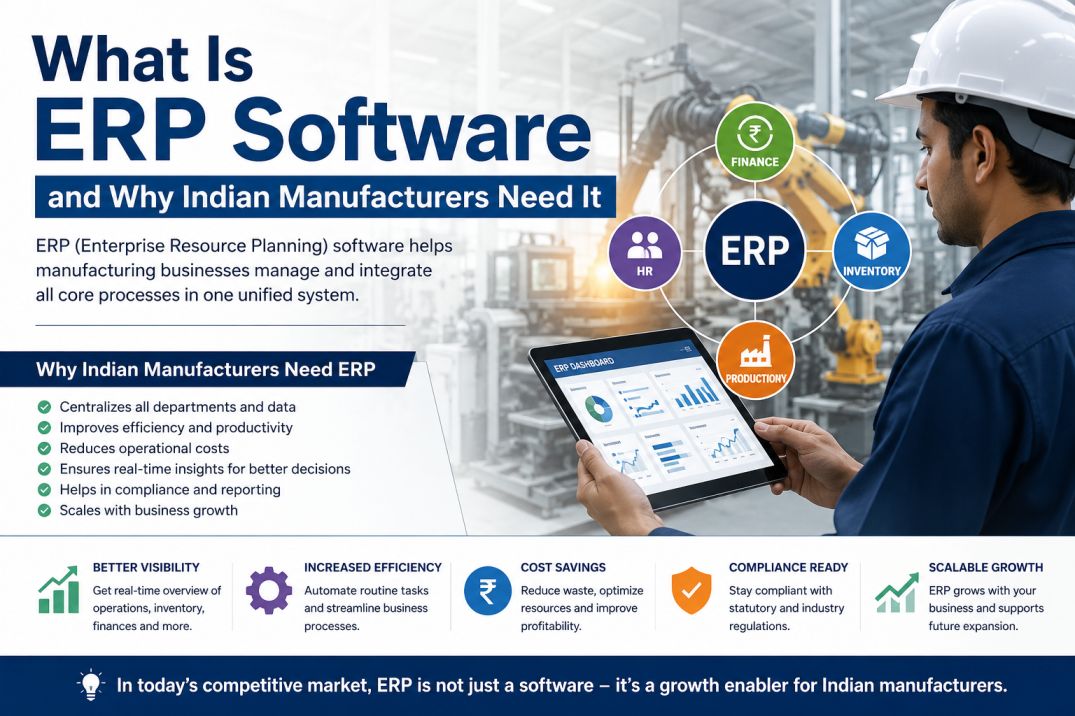
- ERP Software
- Hospital Management Systems
- Learning Management Systems
- Inventory Management Software
- E-commerce Platforms
- Mobile Applications
- Logistics Management Software
- HRMS Solutions
Step 1: Discovery & Requirement Analysis
Every successful software project begins with a detailed discovery phase.
This is the foundation of the entire project.
Objectives
- Understand business goals
- Identify pain points
- Analyze current workflows
- Gather functional requirements
- Define technical requirements
- Estimate project scope
Activities
- Stakeholder meetings
- Business analysis
- Competitor research
- Market analysis
- Requirement workshops
- User interviews
Deliverables
- Software Requirement Specification (SRS)
- Functional Requirements
- Non-functional Requirements
- Project Scope
- Risk Analysis
- Budget Estimation
- Timeline
A strong discovery phase significantly reduces development risks later.
Step 2: Project Planning
Once requirements are finalized, the development team creates a structured execution plan.
Planning includes:
- Development roadmap
- Resource allocation
- Sprint planning
- Timeline estimation
- Budget planning
- Technology stack selection
Project management methodologies commonly used include:
- Agile
- Scrum
- Kanban
Agile is the preferred choice because it enables faster iterations and continuous client feedback.
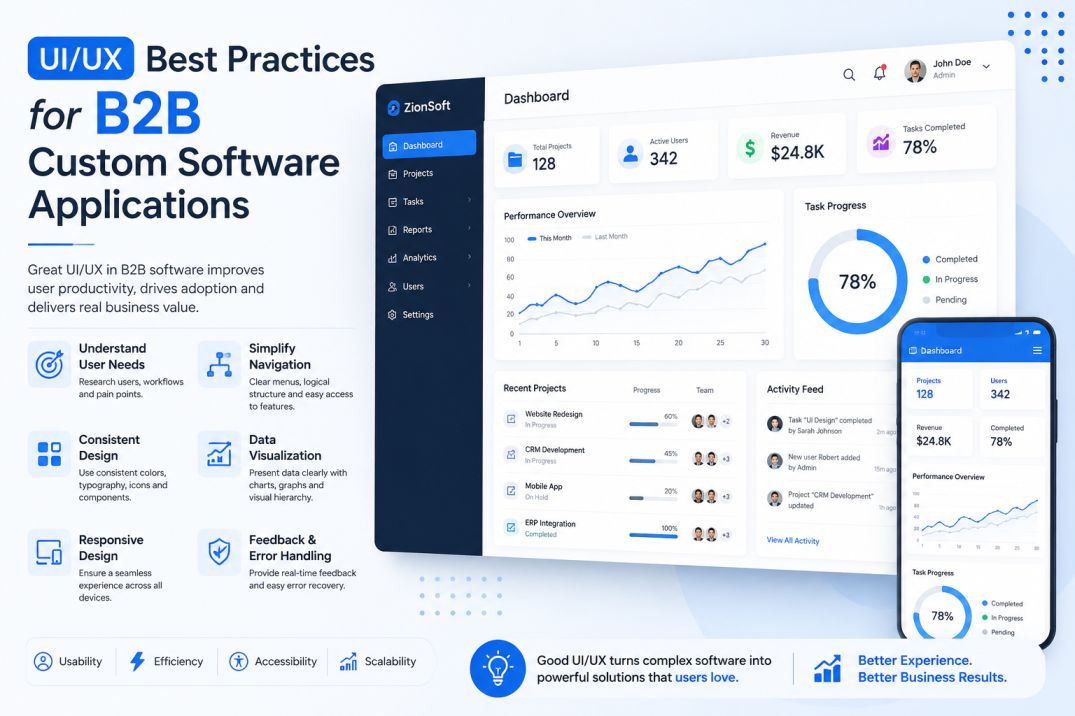
Step 3: UI/UX Design
A beautiful interface means nothing if users struggle to navigate it.
The UI/UX phase focuses on creating software that is both visually appealing and easy to use.
UI Design Includes
- Brand colors
- Typography
- Icons
- Layouts
- Buttons
- Dashboard design
UX Design Includes
- User journey
- Navigation flow
- Wireframes
- User experience optimization
- Accessibility
Deliverables
- Wireframes
- User Flow
- High-Fidelity Designs
- Interactive Prototype
Modern tools include:
- Figma
- Adobe XD
- Sketch
Step 4: Software Architecture
Before coding begins, developers design the software architecture.
Architecture determines how the application will scale in the future.
Key considerations:
- Database structure
- API architecture
- Security
- Authentication
- Performance
- Scalability
Popular technologies include:
Backend
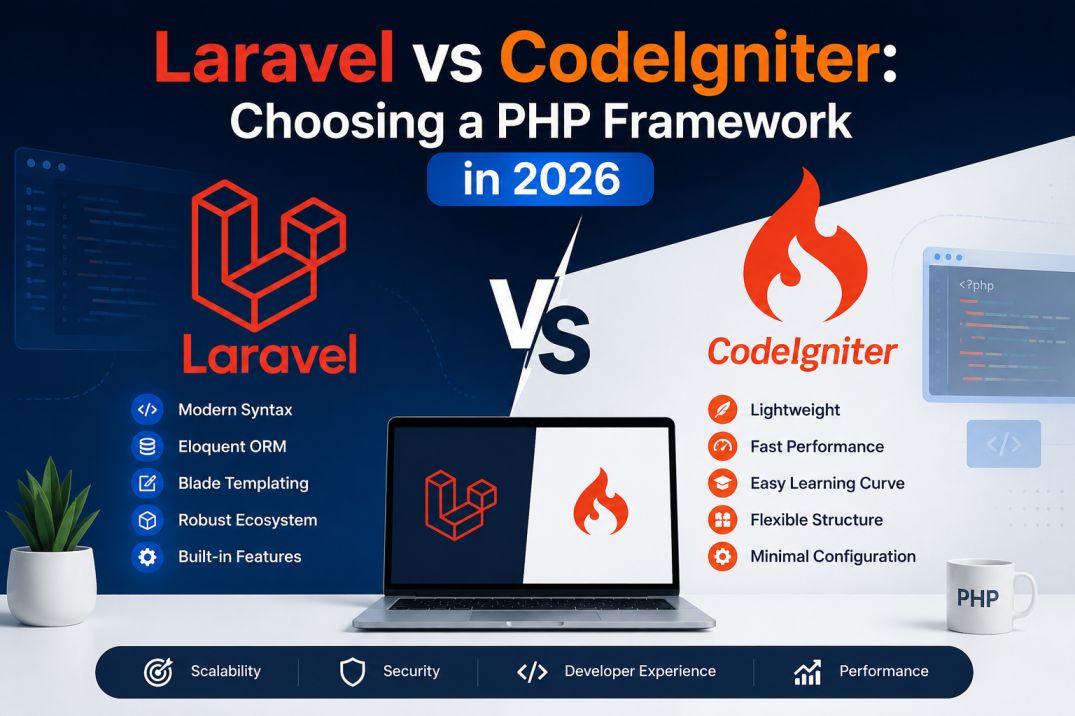
- Laravel
- Node.js
- Django
- ASP.NET
- Spring Boot
Frontend
- React
- Vue.js
- Angular
- Next.js
Mobile
- Flutter
- React Native
- Kotlin
- Swift
Database
- MySQL
- PostgreSQL
- MongoDB
- SQL Server
Conclusion
Custom software development is more than writing code—it's about creating a solution that aligns with your business objectives and drives long-term growth. From the initial discovery and planning stages to UI/UX design, development, testing, deployment, and ongoing maintenance, every phase plays a vital role in delivering a high-quality product.
Whether you're building a CRM, ERP, e-commerce platform, logistics solution, healthcare system, or mobile app, following a structured development process helps reduce risks, improve efficiency, and maximize return on investment.
Partnering with an experienced software development company ensures your project is delivered with the right technology, security, and scalability to support your business today and in the future.
Comments (0)
Leave a Comment
Comments are moderated for quality and spam prevention.